Taking the review and advice from the interim exhibition peer review in to mind I decided to try out a different camera and external lighting. I chose to try the Nikon D7100 Cropped Frame and Nikon 18-105 f3.5-5.6 ED – 22 wide to telephoto zoom lens, I also used a Nikon Speedlite SB910 and an Expro RF – 154 reflectors which was all available to book from the University. I started by testing this equipment on location on a friend and getting used to the Speedlite and camera as I had never used them before and was used to using Canon. I picked a spot close to the University that had an equal balance between natural light and shade and began to shoot. The first image I took was correctly exposed, I could see already that the Nikon Camera and Nikon Speedlite was a lot clearer than the Canon 600D and was picking up on and defining the models features and details in her clothing. However, a cold blue hue seemed to be cast over it, I realised then that the white balance on the camera need changing, so I set it to automatic. Once corrected the colour looked how it should, however the model and image looked over exposed. From the models shoulders upwards was too bright, this was because I had the Speedlite facing the model directly which was leaving a harsh light in the models face. To solve this, I rotated the Speedlite from a 90-degree angle to a 45-degree angle.
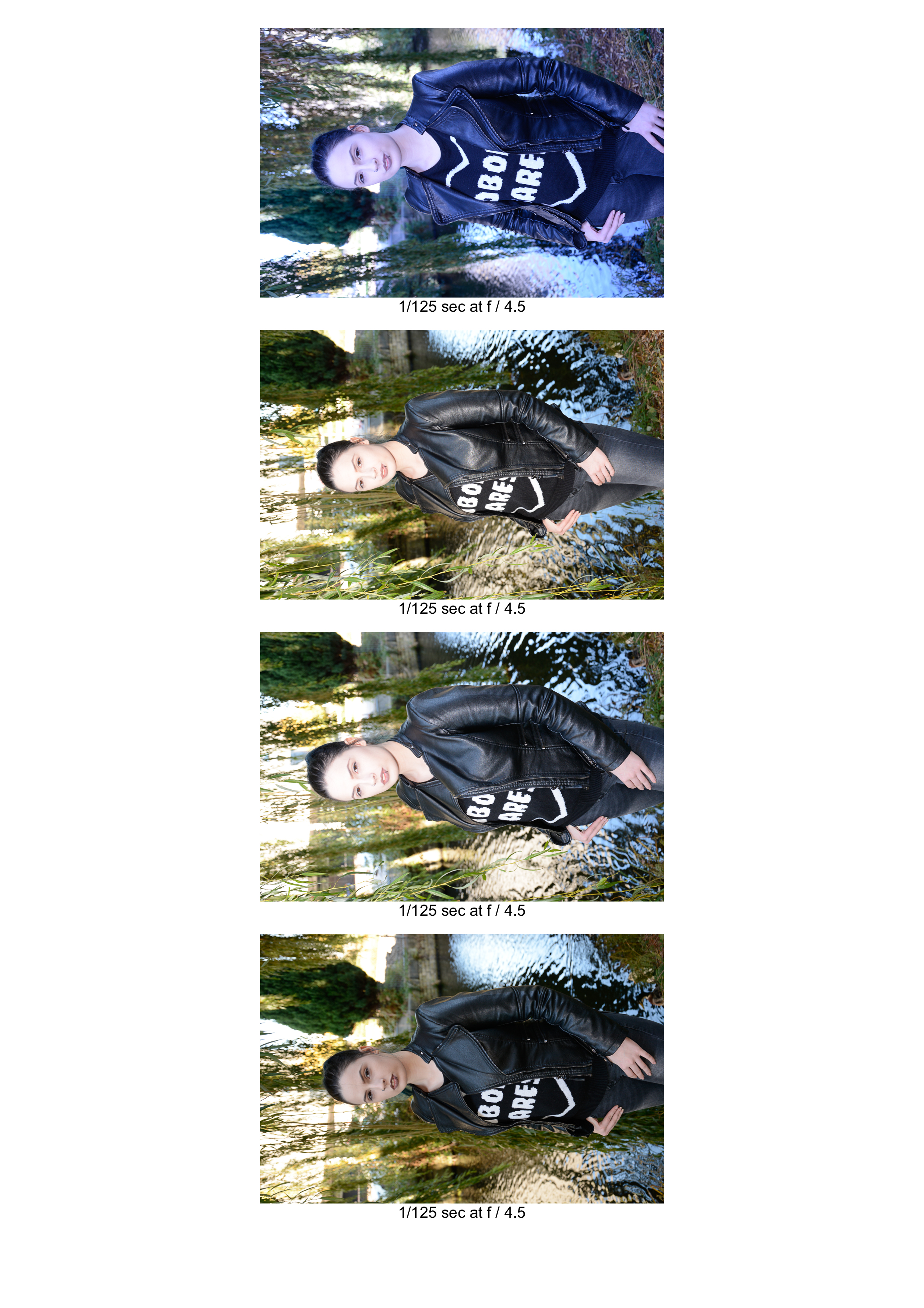
However, this was still to over exposed so I had to rotate the flash head again so that it was pointing away from the model and to the left of me. I also brought in the Expro RF – 154 reflectors. I placed this low down to the right of me in a diagonal line from the models elbow. I did this so that when rotating the Speedlite I didn’t lose any light on the left hand side of the model. Doing this corrected the exposure and softened the light that was highlighting the models face.
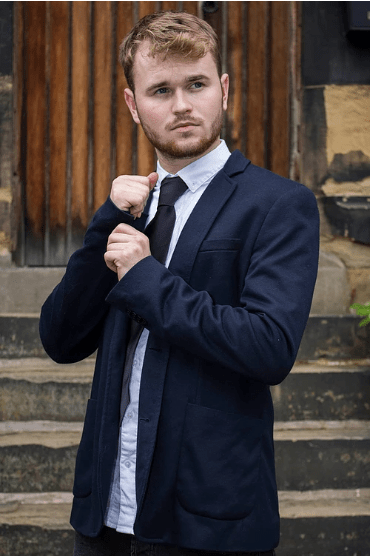


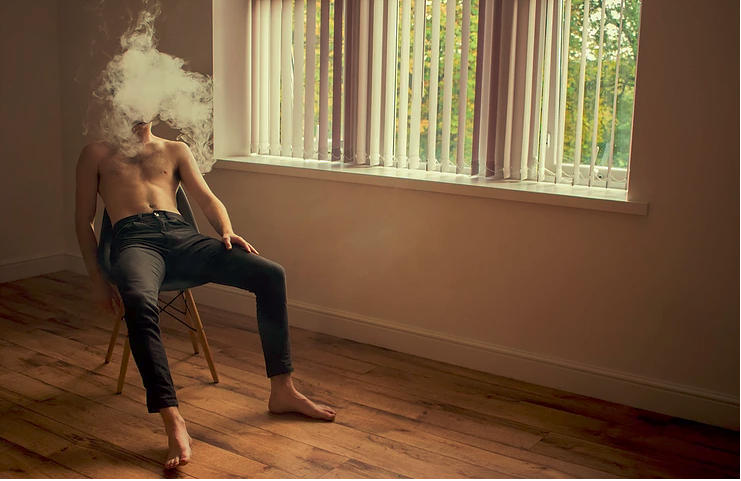 A human’s identity plays a huge factor in shaping their life. As humans we genetically gain how our bodies and faces are formed. A person is criticized or praised on how they look everyday. For example, jobs and occupations implementing a uniform/dress code that dictates the way you dress, do your hair and make up and the way you present yourself e.g. tattoos, piercings, hair colours and styles etc. depriving us of being what we want to be. This dictation can be unordinary for us and we are forced to change to be able to do that job, that job possibly being your dream job. Another example is media, the media and press present this “ideal” and “perfect” way of looking, “good” or “bad”, that is based on photo shopped and medically adapted celebrities. However, this way of presenting yourself is forever changing and what can be “perfect” one day can soon be old fashioned and out of date another day. Growing up we spend a huge amount of our time trying to get comfortable with our own identity but are constantly reminded of how we “should” look and suddenly become part of this conformity taking over the world. Many choose to adapt to this way of looking, changing what they are, where as many choose to remain their own and/or can’t change. This can determine whether you are scorned or praised, where you are placed in society and what you can and can’t do/be considered for. This then having a possible effect on the way you see yourself, if you choose to be different does that make you unusual? We become stuck in this cycle wanting to be ourselves and wanting to be something else, that is dictated to us from the media, the press, our bosses, the government.
 Lisa Castle Photographer